 PhysioActive SG

 Appointments
The Importance of a good posture
Because of Covid-19, many people now have neck and shoulder pain from an incorrect posture. They feel bored after stopping their routine activities. So they try exercises at home without checking their form.
Background – Start of pain
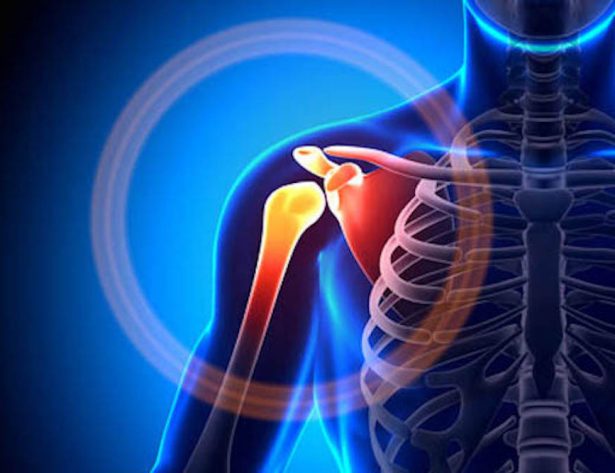
Three weeks ago, a female patient came to our clinic. She complained of pain in her right shoulder. A few days earlier, she had done a kettlebell rack reverse lunge with a 6 kg weight. The next day, she felt pain in her right shoulder, especially when lifting.
Analysis
Several things matter when we examine a shoulder injury. First, we check the posture. In this case, the patient’s right shoulder sat deeper than her left shoulder. Next, we watch how the shoulder moves. We look for limits and pain when the patient moves her arm. Comparing it with the healthier shoulder gives a clearer picture. This patient felt limitation and pain when she lifted her arm to the side against resistance. We also saw a “winged scapula” in both shoulder joints.
These signs show weakness in the muscles around the shoulder blades (scapula). These include the rhomboid muscles and the latissimus dorsi. Next, we palpate the area to confirm where it hurts. Palpation lets us feel abnormalities in the muscles and joints of the injured area. In this case, we found tension in the muscles around the right shoulder. These were the upper trapezius, the scalene, and the levator scapula. Too much load caused this tension, because the scapula stabilizer muscles worked poorly.
Hypothesis
The examinations show that wrong form during weightlifting caused the patient’s pain. The scapula stabilizer muscles did not work properly. As a result, some muscles worked too hard, and the muscles around the shoulder became tense. This is why the patient feels discomfort and pain with certain movements.
Treatment Plan
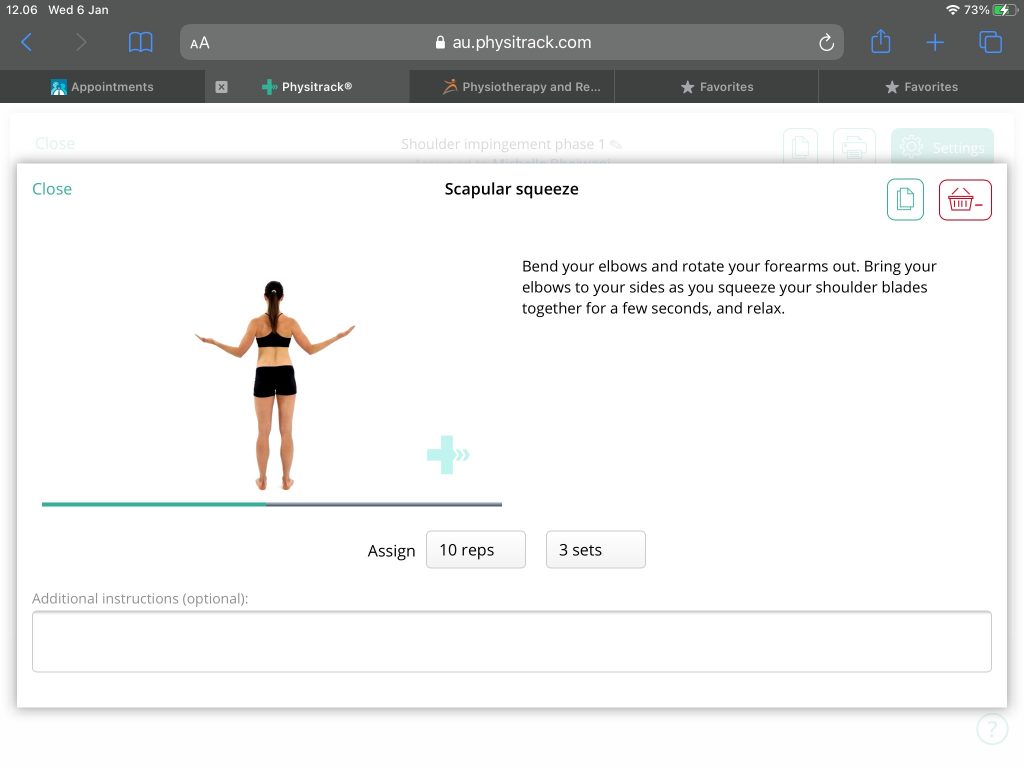
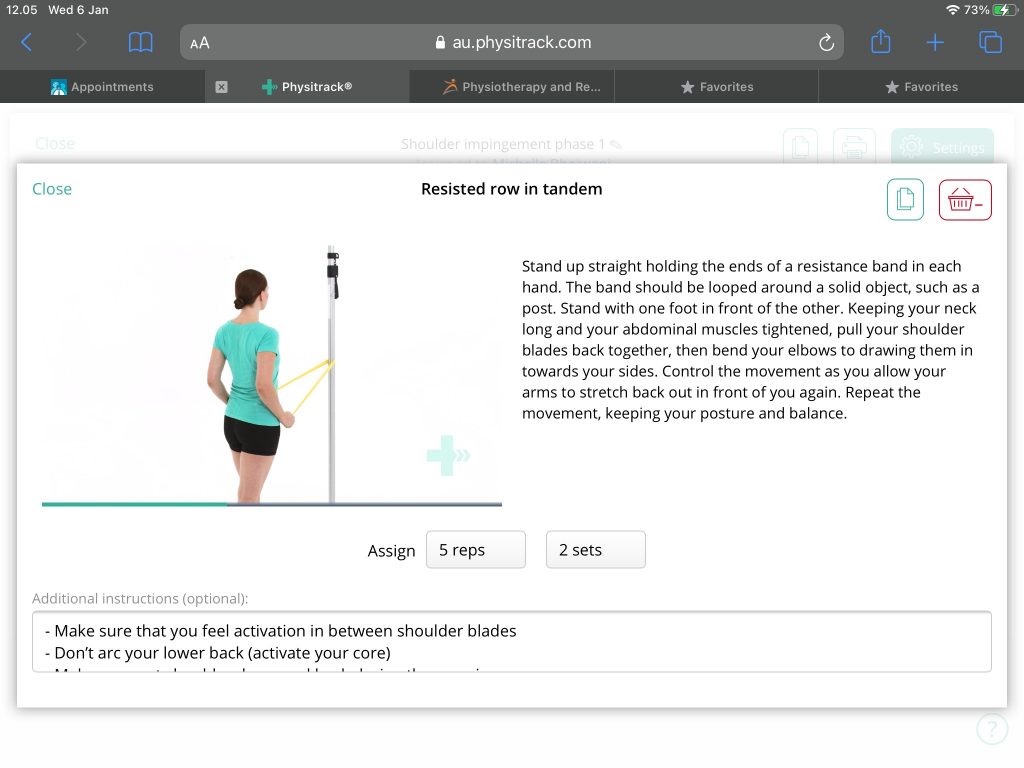
The most effective way is to reactivate the stabilizing muscles of the shoulder blades (scapula). First, we relax the tense muscles around the shoulder. We use the trigger point method together with MWM (mobilization with movement). Then we teach the patient exercises that activate the scapula stabilizers. If the tense muscles stay tight, the patient will struggle to feel the rhomboid and latissimus dorsi muscles working.
For the exercise, we tie a stretch band to something at chest level. The patient holds the band with both hands and pulls it toward the body. Keep four things in mind. First, stand upright and lower the shoulders. Second, do not grip too hard. Third, keep the arms close to the body. Fourth, activate the core.
Activating the stabilizer muscles lets all the muscles around the shoulder work in their proper roles. It also corrects the posture. Finally, we must educate the patient about posture. Then the patient can do the exercises in the right way and position, and avoid new injuries.
Closing
Being active is very good, because movement means life. However, keep a few things in mind when you try something new. Do it right, and do it gradually.