
Back Injuries

Back Pain & Injury Treatment

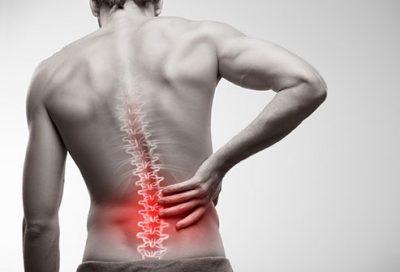
Man holding his lower back in pain, back pain treatment.

Persistent or recurring back pain is often linked to posture, muscle imbalance, disc irritation, or movement habits built up over time. At PhysioActive Indonesia, our physiotherapists assess the root cause — not only the sore spot — then guide you through hands-on treatment and a clear home exercise plan. Early care can ease pain, restore mobility, and lower the chance of flare-ups so you can return to work and daily activity with more confidence.

Frequently Asked Questions

Acute lower back pain

Acute lower back pain is defined as nonspecific or mechanical pain present for up to six weeks. It has no serious underlying pathology or nerve injury and is often unrelated to a specific activity. 98% of all back patients are related to nonspecific acute lower back pain. It is the most prevalent orthopedic injury among our modern society and 80% of all people experience a significant episode of lower back pain at some point of their lives. Rest, painkillers, and physiotherapy, including massage, stretching, strengthening exercises, and posture training, are the treatments of choice for returning to a pain free life and preventing acute lower back pain from recurring.

Rest, pain killers and physiotherapy, including massage, stretching, strengthening exercises and posture training is the choice of treatment for returning to a pain free life and to prevent acute lower back pain from reoccurrence.

Disc herniation

A herniated disc, also known as a slipped disc or ruptured disc, is a common condition in where one of the cushion-like discs between the vertebrae moves out of position and presses on the nerves of the spinal cord. A herniated disc can irritate those nerves and sometimes result in pain, numbness or weakness in the leg or toes. However, most people who have a herniated disc don’t need any surgery. Conservative treatment including medication, rest and physiotherapy will help to fully recover

Sciatica

Sciatica refers to pain that radiates along the path of the sciatic nerve, which branches from your lower back through your hips, buttocks, and down each leg. Injury to the sciatic nerve may cause the characteristic sharp, burning pain to one of its branches. Physiotherapy can help to relieve pain and to restore full function.

Lumbar spondylosis

Lumbar spondylosis is a general term for age-related wear and tear affecting the disc and joints in your lower back. In most cases conservative treatment with physiotherapy can reduce the pain significantly and allows the patients to have a rather normal life without many restrictions. Only in very severe cases the choice of treatment might be surgery.

Scoliosis

Scoliosis means a side-to-side (lateral) curvature of the spine usually combined with a rotation of the vertebras. Scoliosis usually develops during childhood and the cause is still unknown. Physiotherapy plays an essential role in the treatment of this condition and comprises posture training, back exercises and in more severe cases also bracing.

Spinal stenosis

Spinal stenosis refers to narrowing of the spinal canal and is most commonly caused by degeneration of the discs between the vertebrae. The result is compression of the nerve leading to pins & needles sensation in the legs and feet. Mild to moderate spinal stenosis is treated with physiotherapy to relieve the nerve irritation. Posture training and muscle strengthening play an important role to support the lower back. However, when symptoms are severe and persistent, surgical resection of the tissue that is impinging the nerve may be necessary.

Fracture of the vertebra

A fractured vertebra is usually associated with a major trauma, such as from a fall or car accident. However, patients with osteoporosis can suffer from a broken vertebra without even knowing it.

Injuries can range from relatively mild fractures with only localized back pain to severe fractures with associated spinal cord injury. Depending on how severe the injury is the patient may experience pain in the back, difficulty with walking, or even the inability to move the legs (paralysis). Many fractures heal with conservative treatment; however severe fractures may require surgery to realign the bones.

This site is registered on wpml.org as a development site. Switch to a production site key to remove this banner.